
Our CTOs set technical direction, steady delivery and grow the team, part time or for a defined period. Every engagement starts with listening: to your people, your codebase and your roadmap.
3.5 features a week
shipped on average with a Whitesmith fractional CTO, 75% above target
Case study: Electica
"Working with Rafael as our fCTO over the past six months has been incredibly impactful for our young tech company. He has helped us identify gaps in leadership & strategy, staff resource, and tech skills. Once those gaps were identified, he worked with us to develop plans to tackle each one and checked in weekly to ensure we had everything we needed for success. After our initial six month project with him, our product team is working faster, harder and more efficiently with great results for our users. I would highly recommend working with Rafael as your fCTO to take your product team to the next level!"
Mae Dobbs, Director of Product at ElecticaThe right one depends on whether you need technical leadership for a defined period of change or on an ongoing basis. Either way, your CTO works inside your team.
For a defined period of change: a CTO leaving, a funding round, a product milestone, or a restructure where engineering needs stability. Typically 3 to 6 months, part or full time, with the scope and handover plan agreed at the start.
For companies that need sustained technical leadership but not a full-time hire. Your CTO works alongside the team on an ongoing basis, setting technical direction, improving how work gets delivered and building the engineering culture you need to scale.
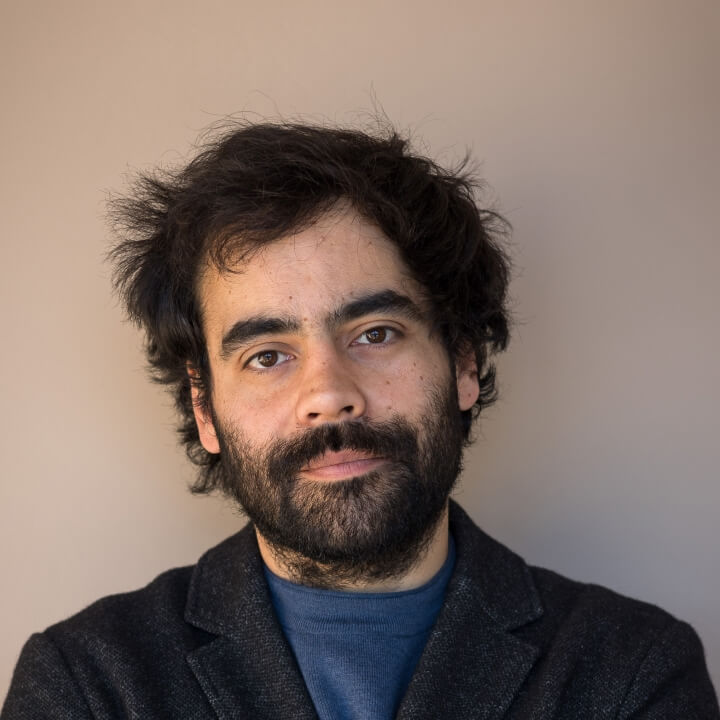
Your CTO will be Rafael or João.
Designs how organisations run AI programmes, from ownership and weekly rhythm to what gets measured. He is also fractional CTO for a client in the advertising industry, guiding their technology approach and AI adoption.
Implements AI operating models inside live engineering organisations in the retail and financial industries. He owns the AI development playbook these teams follow and coaches them as they adopt it.
Whitesmith has embedded technical leaders inside organisations since 2012. Your CTO spends the first days listening: interviewing people at every level and getting to know the codebase and the team before proposing any changes. That way the plan fits how your team actually works.
Our CTOs also bring AI into delivery as part of the job. Within a year at Electica, the team moved from limited AI adoption to AI-enabled workflows across development and product management, and the time to write a product spec fell from a full day to an hour.
How AI changes the way a QA team works: what gets generated, what still needs a person, and what it takes to make it stick. Full details closer to the date.
Register Now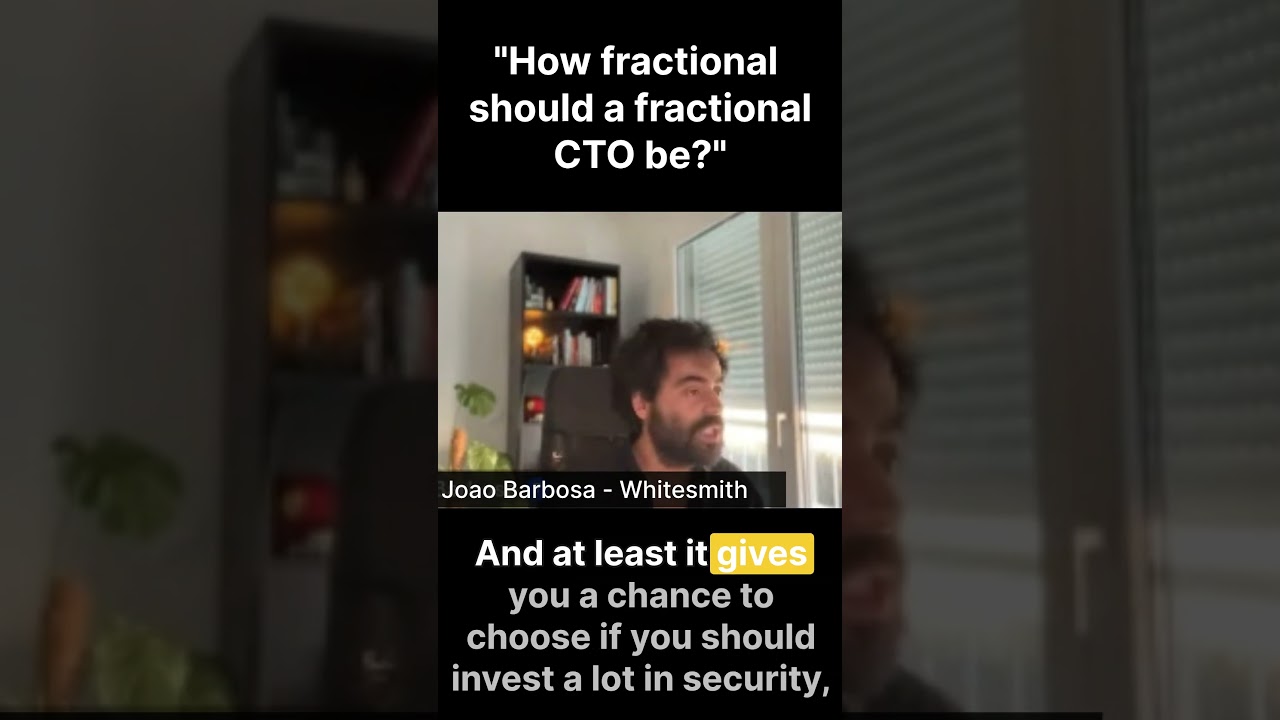
How fractional should a fractional CTO be?

Electica
Scale faster with fractional CTO leadership and AI enablement

Berkeley Earth
How AI-augmented development transformed climate data operations in weeks

How to manage multiple projects with AI
How to run three client projects at once with AI: weekly status reports, meeting notes, request tracking, and the two things I still check by hand.

Running business operations with agents
Several agents now run our business operations. Their success comes from a process redesign with a clear autonomy contract and a review gate.

The seven decisions behind putting an agent into a real workflow
The tool-agnostic checklist we use to put an agent into a live business process: objective, owner, source of truth, trigger, autonomy, review gate, metrics.

How our invoicing went from human-led to AI-led
How we moved invoicing from a human-led process to an AI-led one: first scripts, then a flow that checks its own sources. And what it means for leaders.

Training people on AI is not enough
Most leaders give AI tools to people, train them and wait for the big results. Leverage occurs when individual productivity aligns with company change. A practical playbook for redesigning the operating model.
Tell us a little about your team and what you need, and we'll get back to you.
When technical decisions are outpacing the leadership available to make them. That usually happens during rapid growth, a major product build, a funding round, or after a CTO leaves.
A fractional CTO sets technical direction, makes or guides the big technology decisions, improves how the team delivers, and connects engineering work to business goals. A Whitesmith fractional CTO also brings AI into the team's delivery workflow.
By listening first. In the first days, your CTO interviews people at every level and reviews the codebase and team set-up before suggesting changes, so the recommendations fit how your team already works.
It depends on how much senior technical leadership you need each week. If you need a CTO's judgement but not five days a week of it, a fractional CTO fits. If you need someone in the role every day for the long term, hire full time, and consider an interim CTO to hold the role while you recruit.
No. Early-stage companies with simple technical needs, and companies that already have strong technical leadership, are often better off investing elsewhere. Some only need a CTO for a period of change, which is what an interim engagement is for.
Interim engagements typically run for 3 to 6 months. Fractional engagements run from a few months to over a year, and you can extend or shorten them as your needs change.
Cookies help us deliver our Services. By using our Services or clicking "I agree", you agree to our use of cookies. Read Policy
I agree